

March 23, 2025
September 29, 2026
6.00 Min Read
Benefits Of Using Vibrators: Pleasure, Choice And Connection
Times have changed dramatically since the first vibrators appeared in the late 1800s. Conversations about women’s pleasure have become more open, although concerns about shame or judgment have not disappeared. Modern vibrators offer more than one route to orgasm. They can also give someone time and control to discover which sensations feel comfortable.
Personal pleasure devices now appear in mainstream conversations about relationships and sexual wellness. That wider acceptance makes it easier to discuss preferences, compare designs, and decide whether a vibrator has a place in solo or partnered intimacy.
Table Of Contents
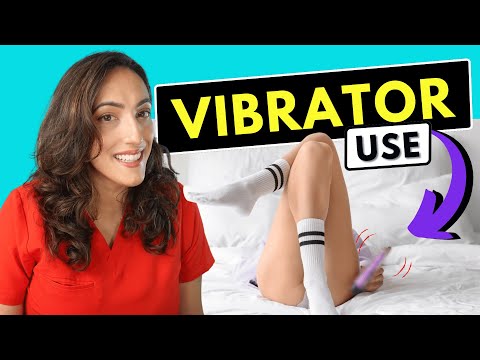
Watch How Vibrators Can Improve Your Sex Life
How Vibrator Design Has Changed
Vibrator design has evolved to meet a wider range of preferences. Novelty products still exist, but many modern devices emphasize comfortable shapes, discreet appearance, straightforward controls, and materials that are easier to care for. Rechargeable batteries, water resistant construction, and adjustable intensity settings give people more ways to personalize the experience.
This variety reflects a better understanding that quality, reliability, and comfort matter in intimate products. A compact design may suit discreet storage or travel, while a larger handle may make positioning easier. There is no single design that works best for everyone, so dimensions and intended stimulation deserve as much attention as appearance.
In my view, the most useful improvement is choice. If my wife were comparing two devices, I would suggest looking at where each one provides stimulation and whether the controls feel simple to use. A longer feature list means little when the shape or intensity does not suit the person using it.
Pleasure And Personal Awareness
Vibrators offer consistent, focused stimulation that can make personal preferences easier to notice. Some people enjoy a gentle setting and gradual changes. Others prefer broader or more concentrated contact. Exploring those differences can be satisfying in itself, whether or not orgasm happens.
Sexual pleasure can also feel relaxing, and an enjoyable experience may leave someone in a better mood. Those responses differ between people and occasions. Claims that vibrators prevent depression, treat incontinence, or preserve genital tissue go beyond what a general pleasure device can promise. Persistent pain, dryness, or changes in sexual function deserve a conversation with a qualified health professional.
Someone who has difficulty reaching orgasm through intercourse alone may find that additional external stimulation helps. That is a practical reason to explore a vibrator, rather than a sign that anything is wrong with their body or relationship.
Vibrators In Partnered Intimacy
Partners do not always want the same pace or type of stimulation. A vibrator can extend foreplay, add focused contact, or provide another option during shared intimacy. It need not replace touch or closeness. Discussing preferences before use can make the experience more comfortable for both people.
Physical signs do not always reveal how aroused someone feels. Asking what feels good is more useful than assuming a particular response. During partnered sex, a compact vibrator may be easier to position, while a wand can offer broader stimulation. A device with simple controls allows either partner to change intensity without interrupting the moment for long.
When I think about using a vibrator with my wife, the strongest benefit is the conversation it can invite. I would want us to agree on what feels comfortable, try one change at a time, and feel free to stop or switch approaches. Shared pleasure works better when both partners can speak plainly.
Comfort Through Life Changes
Interest, sensitivity, and comfort can change with age, stress, relationships, or menopause. Some women notice vaginal dryness or discomfort during this transition, while others experience few changes. A vibrator may offer a different way to explore pleasure when familiar approaches feel less appealing, but it is not a treatment for dryness or painful sex.
Someone without a partner may appreciate the privacy and control of solo exploration. A person recovering from a difficult experience may also value being able to set their own pace. Neither situation requires using a vibrator, and anyone dealing with trauma or persistent distress may benefit from support tailored to their needs.
Comfort should guide every choice. Check the product’s intended use, material, cleaning instructions, and lubricant compatibility. Stop when stimulation causes pain or irritation. For ongoing symptoms, a health professional can help identify options that fit the underlying concern.
Popular Vibrator Types
Vibrators come in numerous designs, each offering a different pattern of contact. Understanding those differences helps narrow the options without assuming that the most powerful or elaborate product will feel best.
Rabbit vibrators combine an internal shaft with an external arm intended to contact the clitoris. Some models allow separate control of each part. Because bodies differ, check the shaft dimensions and how the external arm is positioned before choosing one.
Bullet vibrators provide focused external stimulation in a compact shape. Their small size makes them easy to store and can make them convenient during partnered intimacy. For more detail on the format, see this bullet vibrator guide.
G spot vibrators use a curved or angled shape for internal contact toward the front vaginal wall. Size, firmness, and the shape of the head affect comfort. Internal stimulation is a personal preference, and there is no need to pursue a particular sensation or type of orgasm.
Wand vibrators usually have a handle and a broad head for external stimulation. Their larger contact area can appeal to people who dislike pinpoint vibration. Many offer several intensity levels, making it useful to start gently before trying stronger settings.
Air pulse devices create changing air pressure around the clitoris rather than relying only on direct vibration. Some products combine air pulses with vibration. These sensations differ from conventional motors, so product descriptions should be checked carefully rather than assuming every device works the same way.
Whichever style sounds appealing, compare measurements, controls, care requirements, and the type of contact it provides. For practical advice on placement and intensity, this guide explains how to use a clitoral vibrator. Common assumptions about vibrator use can also make choosing harder than necessary; this article addresses common myths about vibrators.
Explore A Different Kind Of Vibrator Pleasure
The benefits of using vibrators often come down to finding a sensation that feels right for you. The iroha Tsuki+ Aonami Moving Tip G-Spot Vibrator by Tenga offers a moving tip for targeted internal stimulation, making it an option to explore after comparing the designs in this guide.

Frequently Asked Questions About Vibrator Benefits
Can a vibrator be useful without reaching orgasm?
It can help someone explore comfortable sensations and personal preferences. Pleasure does not require a particular outcome.
How can beginners decide which intensity feels comfortable?
Start with a gentle setting and change one control at a time. Reduce intensity or stop if stimulation feels uncomfortable.
What can make vibrator use easier during partnered intimacy?
Discuss preferences beforehand and choose a device that fits comfortably into the shared experience. Check in as sensations change.
Can a vibrator treat vaginal dryness or persistent pain?
A vibrator does not treat the underlying cause of dryness or pain. A health professional can assess persistent symptoms.
Which details should be compared before buying a vibrator?
Compare dimensions, material, contact area, controls, charging method, and cleaning instructions. Consider where the device provides stimulation.


