Why power dynamics turn people on often comes down to contrast, anticipation, trust and the emotional release created by consciously leading or surrendering control. Healthy dynamics feel exciting because both people retain choice, communication and the freedom to change direction.
Why Power Dynamics Turn People On: Attraction, Trust And Control
When people explore why power dynamics turn people on, they are often trying to understand a deeper layer of attraction that goes beyond surface-level chemistry. Power dynamics are not simply about control or dominance. They can involve trust, vulnerability, anticipation and the emotional exchange that happens when roles are consciously or unconsciously negotiated between two people.
Power dynamics often emerge naturally in relationships, even when they are never given a particular label. The important difference is awareness. Recognising who tends to lead, who enjoys responding and when those roles change can make the experience clearer rather than confusing. Attraction can then develop through contrast while communication keeps the connection grounded.
☰
Navigate This Article
Table Of Contents For Why Power Dynamics Turn People On
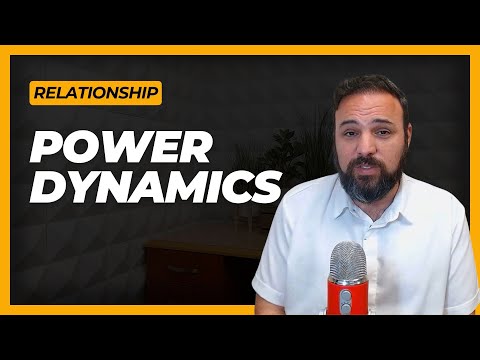
This video examines power dynamics within relationships, complementing the discussion below about control, influence, trust and how different roles shape connection.
Power dynamics refer to how control, influence and decision-making are shared between people. In relationships, this can appear in subtle ways, including who initiates plans, leads conversations, sets the pace or feels comfortable taking responsibility in particular situations.
These patterns are present in many interactions outside intimacy as well. Attraction gives them another emotional dimension because leading and responding can create movement, anticipation and uncertainty. The exchange may feel more engaging when both people recognise that the roles are flexible rather than permanent.
That distinction also separates power from simple control. Someone can take the lead while remaining attentive to the other person’s reactions. Building sexual tension through anticipation and pacing can involve similar shifts in attention, initiative and responsiveness without turning the interaction into a rigid role.
Why Control And Surrender Feel Attractive
One reason why power dynamics turn people on is the contrast between control and surrender. When someone takes the lead, it can create direction and clarity. When another person willingly follows, it can create release from having to decide what happens next. That contrast can produce emotional and physical tension.
Surrender is sometimes misunderstood as weakness, yet consensual surrender involves making an active choice. The person following still has boundaries, preferences and the ability to change direction. The attraction can come from trusting another person enough to temporarily release some control without losing personal agency.
With my girlfriend, I have noticed that the most interesting shifts rarely come from trying to make one person permanently dominant. A small change in who chooses the pace or initiates something can feel far more natural because the dynamic develops from the moment rather than from a fixed script.
ATTRACTION PATTERNS
How Different Power Shifts Can Change The Experience
Dynamic
What It Can Create
Useful Consideration
Taking initiative
Direction and anticipation
Stay attentive to the other person’s response.
Following willingly
Release from decision-making
Choice and boundaries remain active throughout.
Switching roles
Novelty and unpredictability
Let roles respond naturally to mood and context.
Slowing the pace
Suspense and focused attention
Allow anticipation to build without forcing intensity.
Giving a choice
Agency within a structured moment
Keep options genuine rather than performative.
The strongest contrast therefore does not require extreme behaviour. Small differences in initiative, pacing and decision-making can be enough to make an interaction feel less predictable.
How The Nervous System Shapes The Experience
The nervous system plays a central role in how power dynamics are experienced. When a situation feels secure and wanted, a person may be more receptive to uncertainty, anticipation or giving another person greater influence. When the same situation feels unsafe, those sensations can create tension or resistance instead of attraction.
People who feel grounded in their bodies may find it easier to move between leading and following without becoming overwhelmed. Paying attention to breathing, muscle tension, hesitation and engagement can help distinguish exciting intensity from discomfort that deserves attention.
Changes in sensory attention during intimate play can also demonstrate how context alters an experience. The same touch, pace or instruction may feel different depending on anticipation, environment and emotional state.
BODY AWARENESS CHECK
Five Signals Worth Paying Attention To
1
Notice whether anticipation feels energising or begins creating unwanted tension.
2
Check whether following another person’s lead still feels voluntary and comfortable.
3
Allow pauses when physical reactions become difficult to interpret clearly.
4
Pay attention when enthusiasm changes even without an explicit verbal objection.
5
Give each person room to change roles when the mood shifts.
Body awareness does not replace conversation, but it can make communication more responsive. Attraction works best when both spoken boundaries and changing physical cues receive attention.
Trust, Safety And Emotional Depth
Trust is the foundation of a healthy power dynamic. Without it, control can feel forced and surrender can feel unsafe. With trust, both roles can become expressions of connection because each person understands that the exchange exists within agreed limits.
Emotional safety often determines how deeply people can engage with these dynamics. Feeling respected makes it easier to communicate preferences, experiment with unfamiliar roles and admit when something is not working. Discussions about emotional closeness and sexual disconnection also show why emotional connection and sexual responsiveness do not always move together automatically.
With my girlfriend, trust becomes most noticeable when either of us changes direction without making the moment awkward. Knowing that a preference can be voiced immediately makes experimentation feel more relaxed because neither person has to protect a role once it stops fitting.
Power Dynamics In Everyday Relationships
Power dynamics are not limited to intimate moments. They appear in everyday interactions, from deciding where to go to providing emotional support or taking responsibility when circumstances become stressful. Recognising these patterns can reveal how attraction develops over time.
Someone who naturally takes initiative may create a sense of stability, while a receptive partner may create openness and space. Neither role needs to define a person permanently. One partner might lead socially while preferring the other person to take greater initiative elsewhere.
Problems tend to develop when an unspoken pattern becomes an expectation. A person who usually makes decisions may eventually feel burdened, while someone who usually follows may want greater influence. Healthy dynamics remain open to renegotiation instead of treating familiar roles as obligations.
Healthy And Unhealthy Power Dynamics
Healthy power dynamics are based on mutual consent, awareness and respect. Both people remain able to express preferences and boundaries, even when their roles deliberately create an imbalance in who leads a particular moment. The dynamic should expand connection rather than reduce someone’s ability to choose.
Unhealthy dynamics involve influence or imbalance without meaningful agreement. Pressure, fear of consequences, repeated boundary pushing or treating hesitation as permission can change an exciting exchange into something uncomfortable or harmful.
The practical difference is agency. A healthy dynamic leaves room for disagreement, adjustment and stopping. Useful sexual communication between partners can make preferences easier to identify before assumptions become established patterns.
Exploring Power Dynamics With Awareness
Exploring why power dynamics turn people on starts with understanding personal preferences rather than copying a particular relationship model. Notice whether taking initiative, following, switching roles or creating anticipation feels natural. A preference can also change according to mood, trust and circumstances.
Discussing expectations beforehand can help when an interaction involves unfamiliar territory. That conversation does not need to remove spontaneity. Instead, it can establish enough shared understanding for both people to respond confidently once the interaction begins.
Power dynamics become more sustainable when curiosity remains stronger than performance. Neither person needs to prove how dominant, submissive or adventurous they can be. The purpose is finding a form of interaction where contrast and anticipation strengthen connection while each person’s agency remains intact.
Understanding why power dynamics turn people on is ultimately about recognising the interplay between control, trust and emotional connection. When approached with awareness, these dynamics can deepen intimacy and create shared exploration without reducing either person to a fixed role.
Explore Power Dynamics With The Tri-Hard Soft BDSM Kit
For couples interested in bringing consensual power dynamics into physical play, the Tri-Hard Soft BDSM Kit 5 Piece by BDStyle offers a practical way to explore restraint, control and changing roles together. It connects naturally with the trust, communication and shared boundaries discussed throughout this article.
Shop Now! Tri-Hard Soft BDSM Kit 5 Piece by BDStyle
FAQs About Power Dynamics And Attraction
Open any question below to view its answer.
Can someone enjoy leading in one situation and following in another?
Roles can shift with mood, context, trust and the particular connection between two people.
Can attraction to power dynamics exist without formal role labels?
People can enjoy differences in initiative, pacing or control without identifying with a specific relationship role.
What happens when both partners prefer taking the lead?
Partners can alternate initiative, divide different decisions or discuss situations where each person prefers greater influence.
Can a familiar power dynamic become less appealing over time?
Preferences can change as relationships develop, making occasional conversations about roles and expectations useful.
How can partners recognise when playful control is becoming uncomfortable?
Withdrawal, tension, hesitation or reduced engagement can signal that the interaction needs a check-in or change of direction.
StainlessPleasure
StainlessPleasure explores the world of adult products with a particular interest in thoughtful design, materials, durability, and the different ways people experience pleasure. Their writing combines practical product knowledge with an open minded approach to intimacy, helping readers discover new ideas and make more informed choices with confidence.
To provide the best experiences, we use technologies like cookies to store and/or access device information. Consenting to these technologies will allow us to process data such as browsing behavior or unique IDs on this site. Not consenting or withdrawing consent, may adversely affect certain features and functions.
Functional
Always active
The technical storage or access is strictly necessary for the legitimate purpose of enabling the use of a specific service explicitly requested by the subscriber or user, or for the sole purpose of carrying out the transmission of a communication over an electronic communications network.
Preferences
The technical storage or access is necessary for the legitimate purpose of storing preferences that are not requested by the subscriber or user.
Statistics
The technical storage or access that is used exclusively for statistical purposes.The technical storage or access that is used exclusively for anonymous statistical purposes. Without a subpoena, voluntary compliance on the part of your Internet Service Provider, or additional records from a third party, information stored or retrieved for this purpose alone cannot usually be used to identify you.
Marketing
The technical storage or access is required to create user profiles to send advertising, or to track the user on a website or across several websites for similar marketing purposes.